

Hydration Without the Hype: Real Talk for Midlife Women
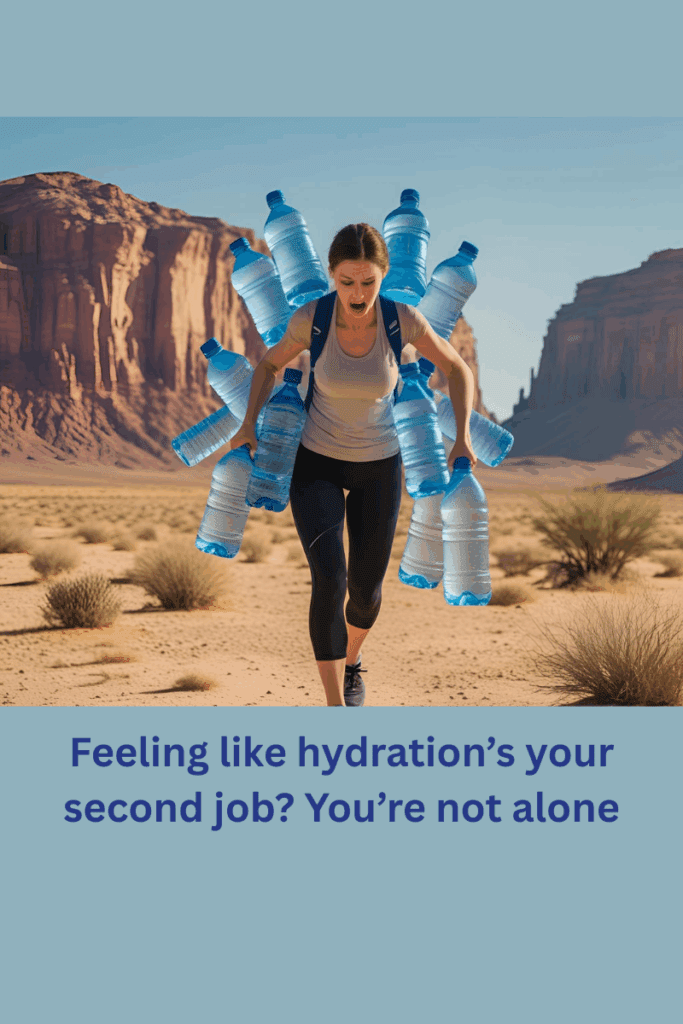
Water is vital, but the wellness world has made it unnecessarily complicated. By the end, you’ll know what matters, what doesn’t, and how to hydrate smartly without obsessing.
🚰 Hydration Has Become a Hustle—and It Doesn’t Have to Be
Let’s be honest: drinking water has become its own health trend. Everywhere you look, someone’s lugging around a gallon jug labeled with motivational time stamps, and the wellness world keeps insisting that if you’re not constantly sipping, you’re doing it wrong.
But for women in midlife—who already juggle hormones, hot flashes, brain fog, careers, caregiving, and trying to remember where they left their glasses—do we really need hydration to be another chore?
No, we don’t.
In fact, this might just be the one health habit you can stop obsessing over. Because while water is important (we’ll talk about that), a lot of what you’ve been told—like “you must drink 8 glasses a day” or “if you’re thirsty, it’s already too late”— simply isn’t true.
This guide is about cutting through the noise. We’ll bust the myths, talk about what actually matters, and give you the tools to hydrate in a way that’s simple, science-backed, and off your mental checklist.
Let’s take this wellness “must-do” and make it make sense—for your real, busy, brilliant midlife.
🧬 Why Water Matters to Your Midlife Body
Water isn’t just something you drink—it’s something you are. Roughly 50–60% of your body is made up of water, and every cell, tissue, and organ depends on it to function smoothly.
From keeping your joints cushioned to helping your brain fire on all cylinders, hydration plays a quiet but powerful role in how you feel every day—especially during midlife, when hormones, hot flashes, and sleep disruptions can affect your fluid balance.
The good news? Your body is already equipped to manage hydration, thanks to your brain’s own internal water monitor: the hypothalamus. This small but mighty part of your brain tracks the concentration of fluids in your body. When it senses even a small dip, it tells you you’re thirsty—before you become truly dehydrated.
✅ What Water Does for Your Body:
- Regulates internal temperature (especially important during hot flashes or workouts)
- Supports digestion and nutrient absorption
- Lubricates joints and cushions the spine
- Keeps skin, eyes, and tissues hydrated
- Boosts brain function, focus, and mood
- Helps kidneys flush out waste efficiently
But while water clearly plays a vital role in keeping you feeling your best, you don’t need to turn hydration into a full-time job. Your body has built-in systems that know how to balance fluids—and they’re smarter than most wellness advice would have you believe.
Let’s bust through some of the most common hydration myths that have women obsessing over ounces and chasing clear pee like it’s a prize. Spoiler alert: your body’s not broken—and you’re probably doing just fine.
🚫 Common Hydration Myths—Busted
💧 Myth #1: You Must Drink 8 Glasses a Day
This hydration “rule” has been around so long, it feels like science. But it actually stems from a 1945 U.S. Food and Nutrition Board report that recommended adults consume about 2.5 liters of water per day. What everyone missed? The original report also stated that most of that water would come from food.
Somewhere along the way, that nuanced advice got flattened into a strict “8 glasses a day” mandate—and the wellness world never looked back.
🧠 The truth:
Hydration needs are highly individual. You get water from fruits, vegetables, soups, coffee, tea, and even your own metabolism. Unless your doctor tells you otherwise, drinking to thirst is usually the best guide.
So if you’re not measuring out eight glasses a day, you’re not failing. You’re functioning.
You can read more about this myth and where it started here.
💧 Myth #2: If You’re Thirsty, You’re Already Dehydrated
You may have heard this one as a warning—like thirst is a sign you’ve already messed up. But here’s the truth: thirst is actually your body’s early-warning system, not a crisis alert.
Thanks to your hypothalamus, your body is constantly monitoring fluid balance. The moment it senses a slight dip, it nudges you to take a sip. That means by the time you feel thirsty, you’re not severely dehydrated—you’re simply being reminded to top up your tank.
In midlife, it’s smart to stay mindful of thirst cues, since things like hot flashes, sleep disruptions, and increased urination (thanks, hormones!) can shift your hydration needs. But you don’t need to obsessively chug water all day “just in case.”
The smarter move?
Listen to your body. If you’re thirsty, drink. If you’re not, you’re probably fine. It really can be that simple.
💧 Myth #3: Clear Pee Means You’re Perfectly Hydrated
We’ve all heard it: “If your urine is clear, you’re hydrated!” But here’s the reality—crystal-clear pee might actually mean you’re overdoing it.
While dark yellow or amber urine can be a sign of dehydration, the goal isn’t to flush your system until it runs like tap water. Your kidneys are designed to regulate fluid levels and conserve electrolytes. When you chug water constantly, you may end up diluting important minerals like sodium and potassium—especially if you’re sweating more during workouts or hot flashes.
👀 What should pee look like?
A pale straw color is generally a healthy sign. It means your body is balancing fluids without losing essential nutrients.
In midlife, it’s important to hydrate smart—especially if you’re also losing fluids from night sweats, increased urination, or exercise. But more isn’t always better. Instead of aiming for clear, aim for balance.
Curious about what urine color really means? 👉Here’s a great visual.
💧 Myth #4: Coffee and Tea Dehydrate You
We’ve all heard it: “Caffeine dehydrates you!” But here’s the truth—moderate coffee and tea consumption does not cause dehydration. In fact, they can count toward your daily fluid intake.
It’s true that caffeine has a mild diuretic effect (it can increase urine output slightly), but your body adapts quickly. Regular coffee or tea drinkers build tolerance, and the hydrating effects of the fluid far outweigh any small increase in urination.
☕️ So unless you’re chugging triple espressos all day or skipping water entirely, that morning latte isn’t draining your hydration—it’s actually helping.
Even better? Certain teas—especially herbal or green—can offer added antioxidant and anti-inflammatory benefits, which may support hormone balance and stress response in midlife.
Bottom line: You don’t have to ditch your daily brew. Just be mindful of balance—alternate with plain water, and you’re golden.
💭 So… Should You Really Be Stressing About Water?
Hopefully by now you see that hydration isn’t something you need to obsess over or micromanage. Your body is smart—and it will usually let you know when it needs more.
Sure, if you’re a long-distance runner or professional athlete, your fluid needs might be more specific. But for most of us midlife ladies living real, everyday lives? You’re probably doing just fine.
💡 The one thing that is worth paying attention to?
The quality of your water—and the containers you drink it from. (Yep, I’m talking toxins.)
If you missed those important blog posts, you can check them out here:
✅ Midlife Water Wisdom: A Quick Tip Checklist
If you’re going to hydrate, let’s make sure the water you do drink is helping—not harming:
💧 Test Your Tap
- Use an at-home water test kit to check for contaminants like lead, chlorine, or PFAS.
Tip: Try the highly rated SimpleWater Tap Score kit on Amazon
🥤 Filter Smarter
- Choose glass or stainless steel water filter pitchers (like the Aarke Purifier from Crate & Barrel)
- Consider a built-in under-sink filtration system for long-term peace of mind
🚫 Skip Plastic
- Avoid plastic water bottles—especially if they’ve been sitting in the sun or a hot car
- Opt for stainless steel or glass reusable containers for everyday sipping
🥒 Eat Your Hydration
- Don’t forget: juicy fruits, crisp veggies, soups, and smoothies all count toward your daily water
- needs!
🧂 Feeling Dehydrated? Skip the Sugary Electrolytes.
Many commercial electrolyte drinks are loaded with added sugars and “natural flavors” (aka chemicals that companies aren’t required to name 👀).
Instead, try a pinch of high-quality mineral-rich salt—not your standard table salt. Look for unrefined options like Baja Gold Mineral Sea Salt, which is full of trace nutrients your body can actually use to rebalance.
💜 You’ll find my go-to brand linked in the Midlife Tool Kit under “Detox & Recovery”.
💬 Final Sip of Wisdom…
Hydration doesn’t have to be another thing on your midlife “to-do” list. Trust your body. Choose quality over hype. And remember—your health isn’t defined by the number of ounces you drink, but by how you care for yourself overall.
If you found this helpful, I’d love to have you stick around.
📬 Sign up for blog updates so you don’t miss what’s next—we’re just getting started!
💭 I want to hear from you:
What topics matter most in your midlife mix?
Is it sleep? Hormones? Finding joy again?
Tell me! Email me at connect@mymidlifemix.com or share your thoughts on the Community Page.
⚠️ A Little Website Note…
There continue to be a few bumps in this website-building journey 😅
If you run into any weird links, glitches, or hiccups, please let me know! Your feedback means the world as I grow this space for all of us.
Until next time…
May your pee be pale, your salt be mineral-rich, and your hydration guilt be nonexistent.
💜 Linda @ mymidlifemix