Midlife Wellness Tools I Personally Use
Midlife brings its own kind of chaos — and opportunity.
These are the tools I’ve come back to — tools I’ve used, tested, and made part of my routine.
Simple supports that help me feel stronger, calmer, and more energized.
Explore
Skin Support
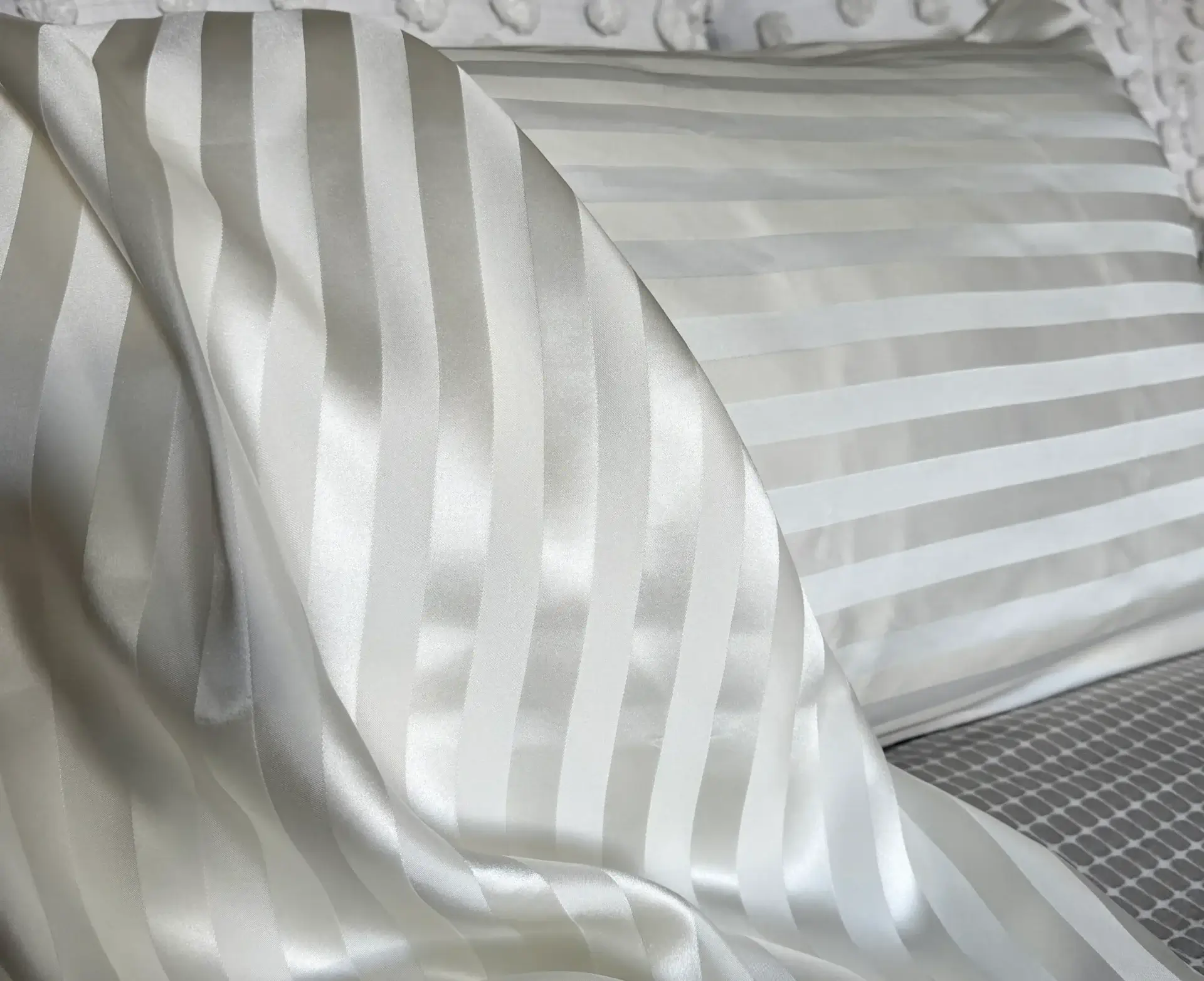
Silk Pillowcase (100% Real Silk)
You may not think of this as skincare, but what you sleep on matters more than you’d expect in midlife.
Silk creates far less friction than cotton, helping prevent pulling, creasing, and irritation — especially as skin becomes thinner and more reactive. It also absorbs less moisture, so the products you apply at night stay on your skin instead of your pillow.
Temperature is another overlooked benefit. Silk naturally stays cooler, which can make a noticeable difference if you’re dealing with night sweats or hot flashes.
It’s also naturally hypoallergenic, making it a better option if your skin is easily irritated.
And while this sits under skin support, your hair benefits too. Less friction can help reduce breakage — especially if you’re noticing thinning or changes in texture.
When choosing one, look for 100% real silk (not satin). Many satin options are polyester-based and don’t offer the same skin or temperature benefits.
It’s a simple swap — but one that supports your skin consistently, night after night.
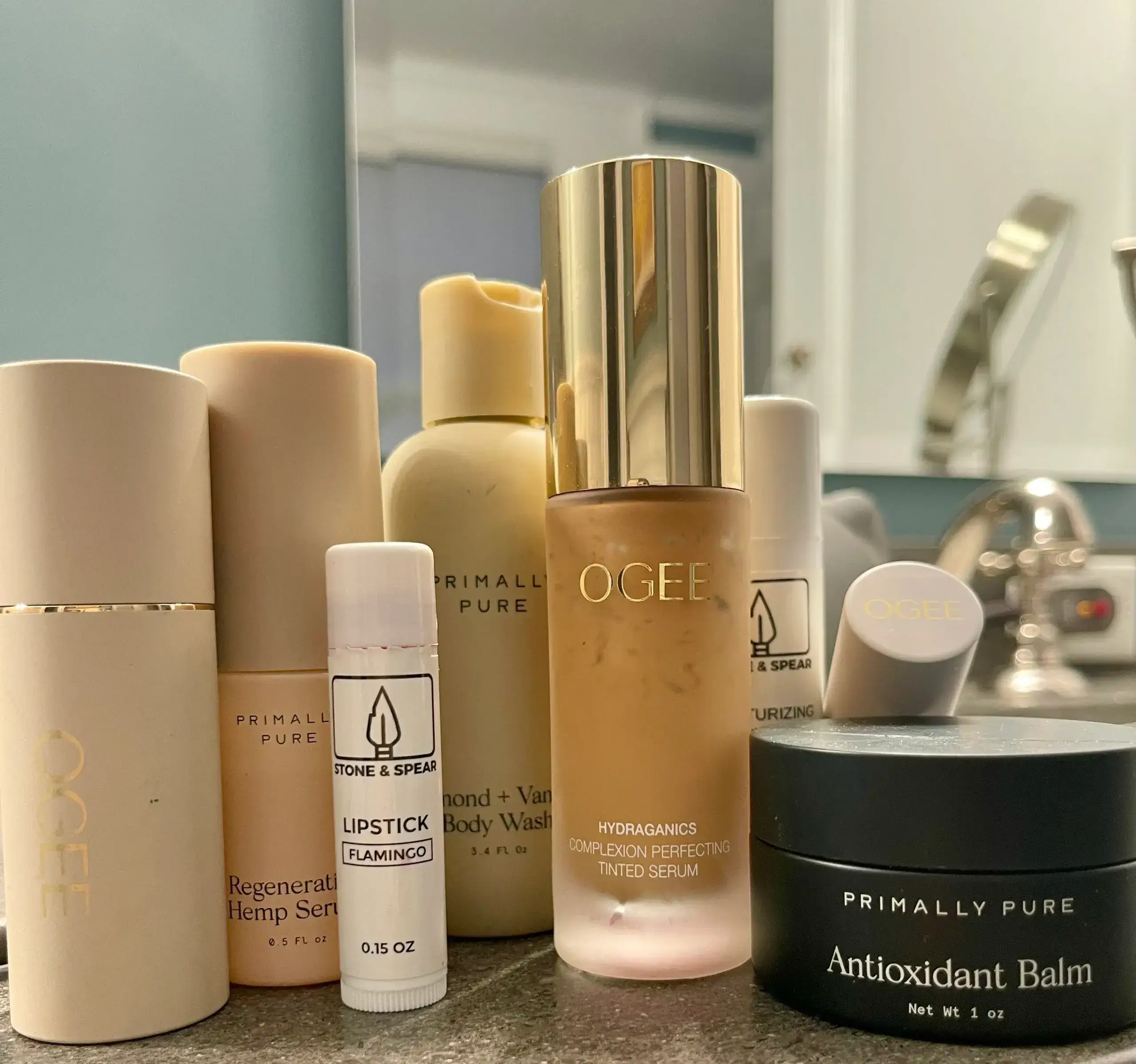
Non-Toxic Makeup & Skincare for Midlife Skin
As skin changes in midlife, what you put on your body matters more. Hormonal shifts can make skin drier, more reactive, or slower to recover, which is why I pay closer attention to ingredients in everyday makeup and skincare.
Non-toxic products aren’t about being “clean” or doing everything right. For me, it’s about avoiding unnecessary irritants and hormone-disrupting ingredients in products I use daily — especially on my face. Fewer harsh preservatives, less synthetic fragrance, and simpler formulas tend to work better for midlife skin.
Since making this shift, I’ve noticed less irritation and more consistency. My skin feels calmer, holds moisture better, and rebounds more easily during stress, travel, or poor sleep — which is usually when midlife skin shows it first.
I keep this routine intentionally simple. These are products I actually use, not a full overhaul or a complicated system. Just reliable basics that support skin health without adding extra burden.
If you’re curious, starting with one or two swaps is enough to see how your skin responds.
Red Light Therapy
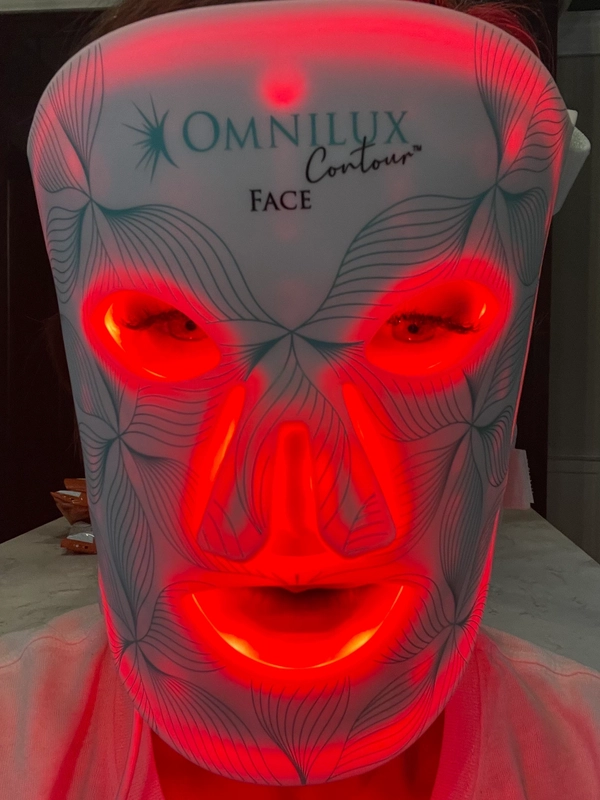
This red light mask supports sluggish skin cells — think gentle stimulation rather than instant transformation. I use red light therapy regularly and notice smoother texture, fewer fine lines, and a subtle glow that doesn’t rely on filters. Just as valuable for me: it’s ten quiet minutes of stillness, which often ends up being half the benefit.
Beyond the surface, red light therapy has been shown to support circulation, stimulate collagen production, and help reduce inflammation — all of which matter more in midlife, when skin tends to recover more slowly from stress, poor sleep, and hormonal shifts. The key is consistency. This isn’t a quick fix, but over time, it can be supportive.
If you’re considering red light therapy, there are many options available. Instead of focusing on a specific brand, here are a few criteria worth looking for:
• Wavelengths between 630–850 nm, which are most commonly associated with skin and tissue benefits
• FDA-cleared devices, for safety and performance standards
• A treatment time of at least 10 minutes, ideally hands-free for comfort
• Close proximity to the skin, which improves effectiveness
• And most importantly, a device you’ll actually use — because even the best tool doesn’t work if it lives in a drawer
Bonus: it doesn’t burn, sting, or require a dermatologist visit. Just charge it, put it on, and let your body do what it already knows how to do.
Castor Oil + Baking Soda Scrub
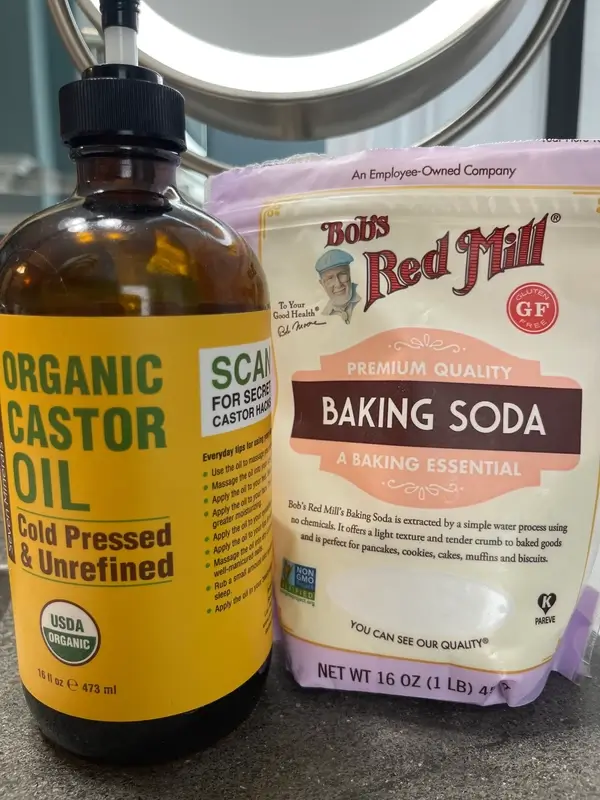
This simple DIY combo has become one of my go-to resets when my skin feels congested, dull, or just a bit off. Castor oil is naturally cleansing and anti-inflammatory, while baking soda provides gentle exfoliation to help lift buildup and unclog pores. The result, for me, is skin that feels smoother and looks brighter — especially helpful after poor sleep or travel.
Tip: Mix a small amount of baking soda with enough castor oil to form a paste. Gently massage onto damp skin, let it sit for a minute or two, then rinse.
What matters: For best results, look for organic, cold-pressed castor oil stored in a glass bottle. This helps avoid unnecessary additives and preserves the oil’s natural properties.
Why I keep it in my routine: It’s affordable, low-tox, and simple — and I find it gives my skin a noticeably refreshed look without needing a full spa treatment. I use it once or twice a week, depending on how my skin feels.
Important note: Always patch test a new DIY combo first. Sensitive skin types or anyone with underlying skin conditions should check with a dermatologist before trying new treatments — even gentle, at-home ones.
Sleep Smarter
Weighted Blanket
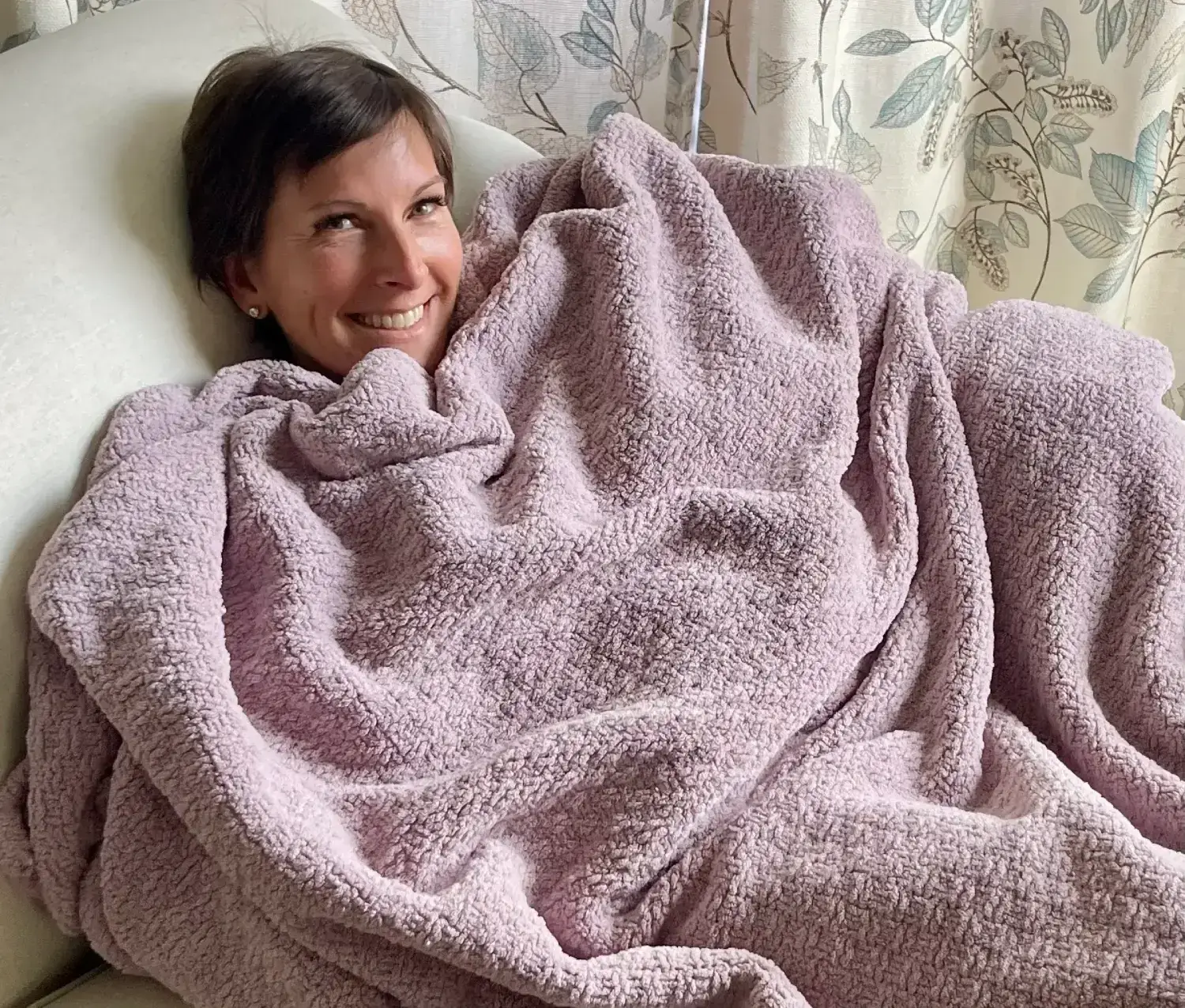
One of my favorite sleep aids gets pulled out every fall (mine is way too heavy for summer): my weighted blanket. What I originally thought might be a kitschy gift quickly became a household favorite. Think of it as a calming hug for your nervous system.
Weighted blankets are often associated with calming the nervous system, easing restlessness, and supporting deeper, more restorative sleep — especially in midlife, when quality rest can feel harder to come by.
My Oura Ring consistently shows more deep sleep on the nights I use it, which has made this one of my most reliable sleep supports. I can’t remember the brand I bought, but there are plenty of well-made options available in a range of weights. I ended up with a 15-pound blanket instead of the standard 10 because it was the only one in stock… and lifting it definitely counts as a workout of its own.
If sleep has become more elusive in midlife, there are many supportive tools and habits that can help. I share what’s worked for me — beyond just a weighted blanket — in my blog Struggling to Sleep in Midlife? Here’s What Really Helps.
This reflects my personal Oura Ring data and experience and isn’t intended as medical advice.
Wearables
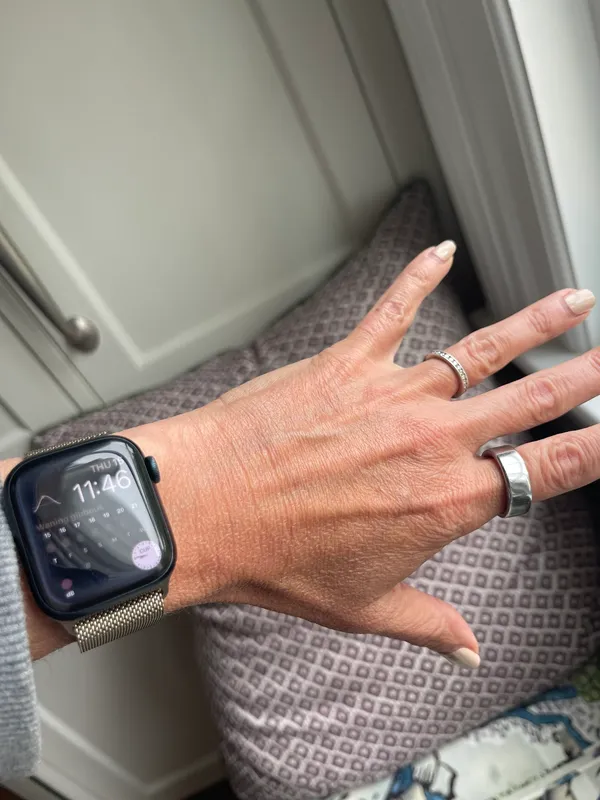
A smart ring that looks subtle and works quietly in the background, the Oura Ring is one of my favorite tools for understanding what’s really happening while I sleep — and how those nights shape my days.
It tracks patterns related to sleep quality, recovery, and stress, helping surface trends in things like heart rate variability, temperature shifts, and overall readiness. For me, the value isn’t in any single metric, but in seeing how lifestyle choices — late-night wine, travel, stress, or disrupted sleep — show up in my body over time.
Beyond sleep, it’s helped me tune into recovery and hormonal rhythms in a way that feels informative rather than overwhelming. The longer I use it, the clearer the connections become — and the more motivated I feel to make small, supportive adjustments.
Note: While Oura is a powerful guide, it’s not a medical device — think of it as a conversation starter between you and your health, not the final word.
Sleep Mask
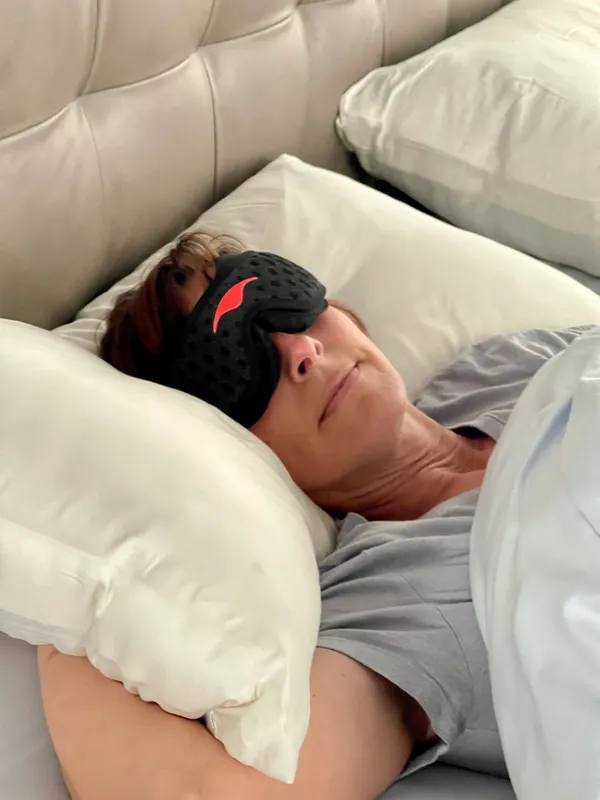
I never understood the hype around sleep masks — until I hit midlife and suddenly became hyper-aware of every tiny light or movement in the room.
Even the light from my Apple Watch could wake me if I shifted in my sleep (I’ve since stopped wearing it to bed). That experience made it clear how much darkness actually matters for sleep.
Light — even in small amounts — can suppress melatonin, your body’s sleep hormone. In midlife, when sleep is already more sensitive due to hormonal shifts, blocking out light can make it easier to fall asleep and stay in deeper, more restorative stages of sleep.
I chose a sleep mask with deep eye cups that sit off my eyelids for comfort. As a side sleeper, I also needed something that stays in place without feeling restrictive. That combination has made this one of my most reliable tools for creating a consistently dark, sleep-supportive environment — both at home and when I travel.
Energy + Resilience
Cold Plunge
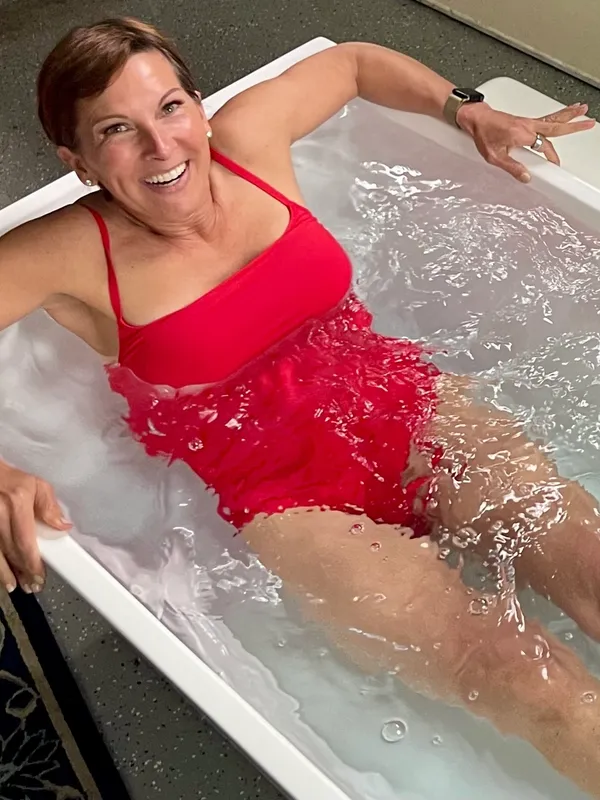
Cold plunging isn’t just for elite athletes — it’s become one of the most effective tools I’ve found in midlife for mental clarity, energy, and resilience. I started using it looking for a nervous-system reset, and now it’s a ritual I genuinely crave.
When that familiar mid-afternoon fog hits, a short cold plunge snaps me back into focus. And it’s not just how I feel — my Oura Ring consistently shows improved recovery markers and resting heart rate after cold sessions. The science checks out, but so does the lived experience.
At first, getting in is mentally challenging — that initial resistance is real. But that’s part of the benefit. Each session gets easier, and now it’s less about enduring discomfort and more about breathing, settling in, and emerging feeling reset.
If you’d like to learn more — including simple DIY ways to try cold plunging without a big investment — you can read more here.
Important note: Cold exposure isn’t for everyone. Always listen to your body and talk with your doctor first — especially if you have heart, blood pressure, or other medical conditions.
Foam Roller
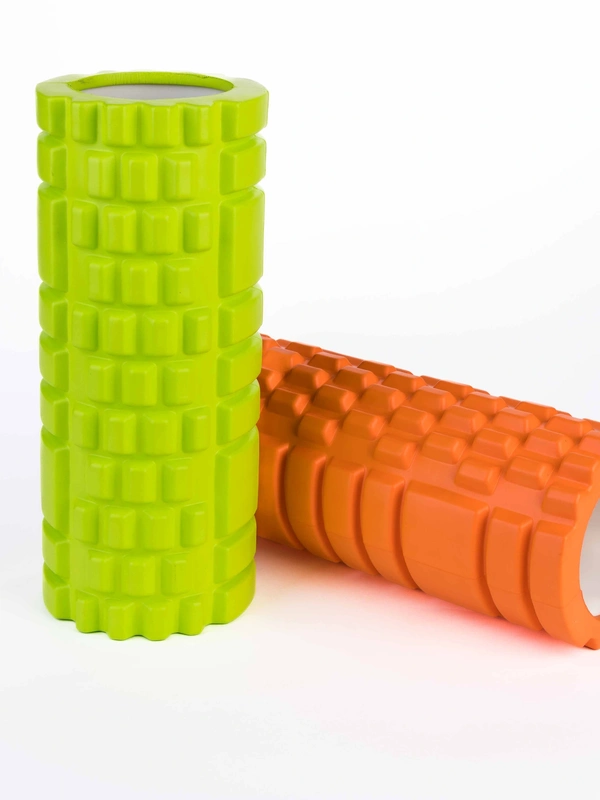
It’s one of the easiest, lowest-cost ways to care for your muscles — especially in midlife, when recovery starts demanding a little more attention. I first reached for a foam roller to ease soreness after workouts, but over time it’s become part of my regular routine to keep everything moving better (and hurting less). Think of it as a mini massage that doesn’t require booking weeks in advance.
Whether I’ve lifted weights, walked a little too long (hello, tight hips), or simply slept weird, a few minutes on the roller helps release tension and reset my body. It’s one of those small tools that quietly makes a big difference in how I move — and how quickly I bounce back.
Foam rolling helps loosen tight muscles and fascia, improves circulation to support recovery, and enhances overall flexibility and mobility. It can also support lymphatic flow (a gentle form of detox support), reduce post-exercise soreness, and help prevent injury over time. One of the lesser-known benefits is how calming it can be for the nervous system — slow, mindful rolling paired with steady breathing helps signal the body to down-regulate and relax.
I keep it simple: slow rolling, pausing on tight spots, and breathing through the discomfort rather than fighting it. Just a few minutes can noticeably improve how I feel — and move — for the rest of the day.
In midlife, building resilience isn’t about pushing harder; it’s about recovering well, moving freely, and showing up stronger the next day. The foam roller may be small, but it’s a steady ally in helping my body stay limber, supported, and ready for whatever comes next.
Cacao
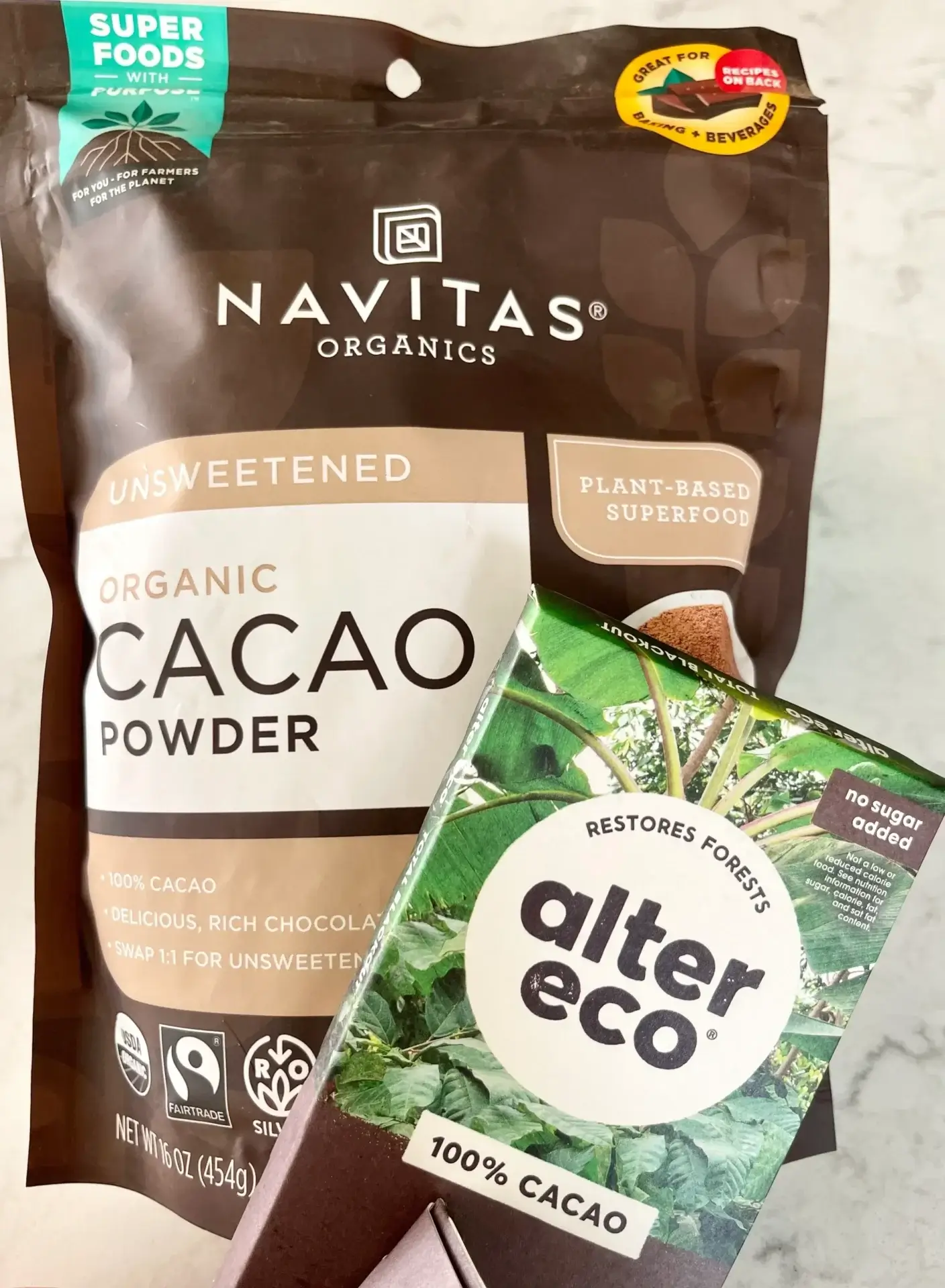
Cacao is one of those small, feel-good habits that delivers surprisingly meaningful support in midlife. Naturally rich in magnesium, antioxidants, and plant compounds that support circulation and focus, it can help steady both energy and mood — without feeling overstimulating.
I include cacao in the Energy + Resilience section because it’s more than comfort food. The naturally occurring theobromine provides a gentle lift in alertness and circulation without the caffeine crash, while magnesium supports the nervous system and overall balance. Together, it supports steadier energy, a more even mood, and a simple daily ritual that feels both grounding and uplifting.
As with everything on My Midlife Mix, nothing here is sponsored. I only share products I’ve researched, tried, and genuinely enjoy. These cacao and dark chocolate options are the most health-forward (and delicious) ones I’ve found.
If you’d like to go deeper into why cacao supports midlife energy, stress resilience, and hormone balance, you can read more in my Cacao blog. You’ll also find a few simple ideas in The Mix to inspire easy ways to add cacao into your daily routine.
Detox + Recovery
Fiber Supplements
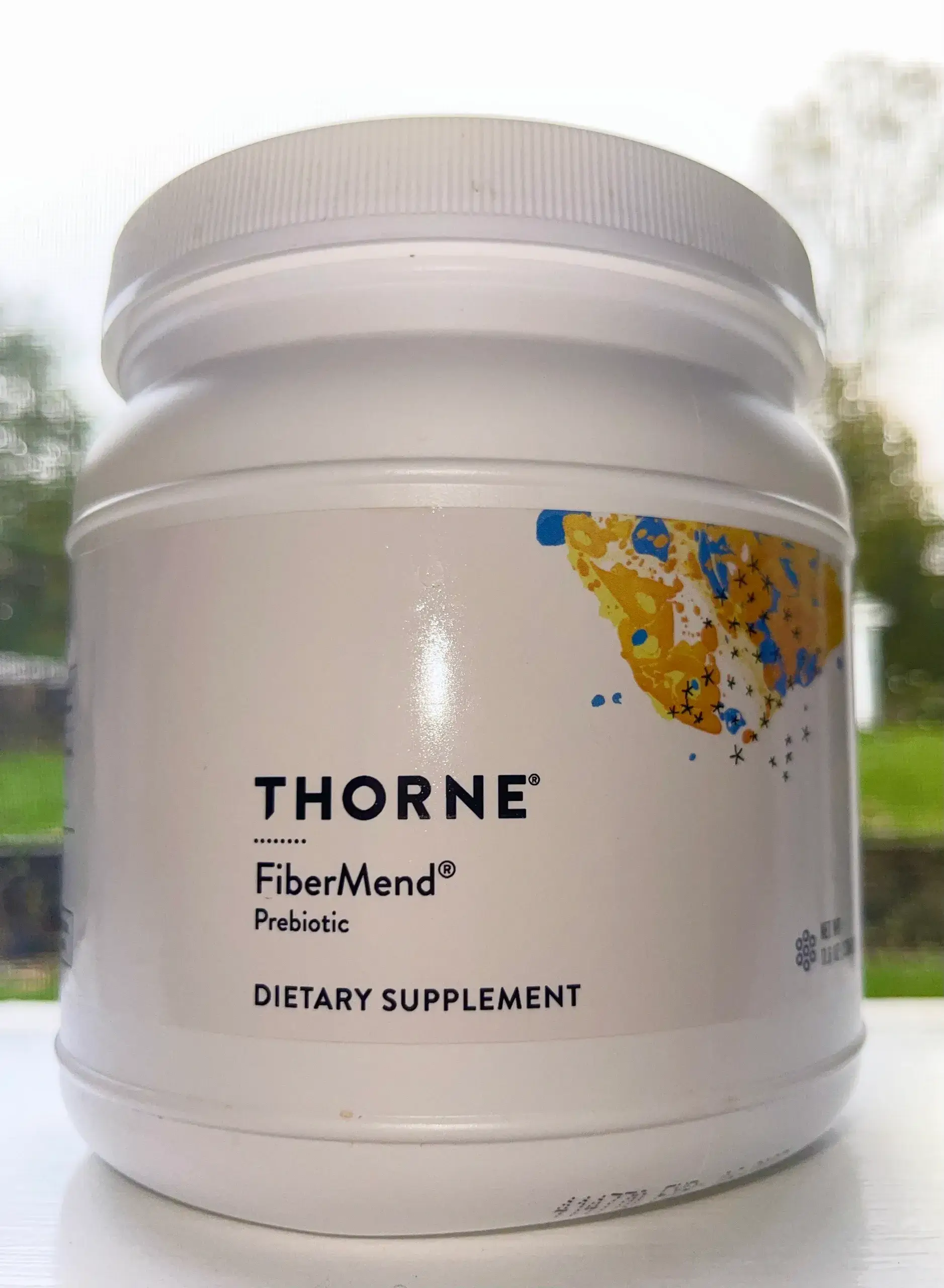
Fiber is a quiet powerhouse when it comes to digestion, detoxification, and hormone balance in midlife — yet getting enough every single day isn’t always easy. As hormones shift, regularity, gut health, and blood sugar balance often take a hit, making fiber even more important than it once was.
I always start with whole foods first, but fiber is one area where I sometimes need extra support. A prebiotic fiber supplement can help fill the gaps by supporting gut health, steady digestion, and the body’s natural detox pathways — without requiring a major routine overhaul.
I use a fiber powder that mixes easily into yogurt, chia pudding, or smoothies and doesn’t change the flavor, which makes it easy to add on days when whole foods alone don’t quite get me there.
Everything I share in My Midlife Mix is based on personal use and research, not sponsorship. I don’t sell products, and I only include tools I trust and use myself. When it comes to supplements, I look for brands that prioritize quality, transparency, and independent third-party testing — all of which are especially important in midlife.
If you’d like to learn more about why fiber matters in midlife, you can explore my blog on fiber, or head to The Mix for fiber-focused, whole-food recipes.
Sauna Blanket
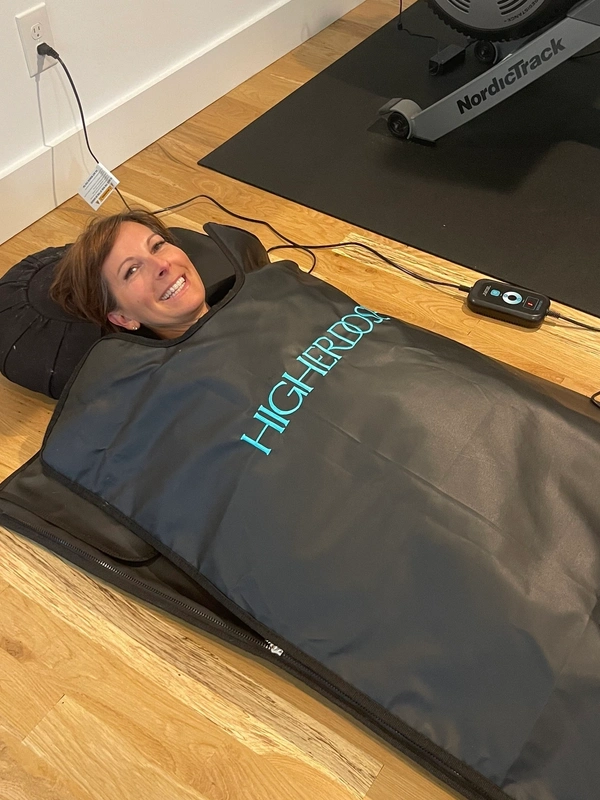
Part sweat session, part meditation cocoon — this infrared sauna blanket has become one of my go-to tools for unwinding after a long day or a tough workout. I tend to use it when my body feels tight or my mind feels overstimulated, and I want a gentle way to shift into rest.
Unlike a traditional sauna, the warmth builds slowly and evenly from the inside out. The heat feels steady rather than overwhelming, supporting circulation and easing muscle tension without feeling like too much. What matters most to me isn’t any single benefit — it’s the sense of calm and reset I feel afterward.
What I appreciate most is that it forces me to slow down. No multitasking, no screens — just warmth, stillness, and breathing. I usually use it in the evening as part of my wind-down routine, and after 30–40 minutes I feel relaxed, clear-headed, and like I’ve physically let go of the day.
It’s also surprisingly practical. When I’m finished, I roll it up, tuck it away, and reclaim my space — no dedicated room required.
Note: Heat therapies aren’t for everyone. Always listen to your body and check with your doctor if you’re pregnant, managing cardiovascular conditions, or have other health concerns.
Magnesium: The Unsung Hero of Recovery & Reset
I don’t take magnesium every night — but when I do, I notice the difference. In midlife, it’s become one of those tools I reach for when my body feels run down, overstimulated, or just slightly “off,” and I want a little extra support for recovery and rest.
Magnesium plays a role in hundreds of processes in the body, including muscle relaxation, nervous system regulation, and sleep quality. As stress, hormone shifts, and physical demands add up in midlife, it’s easy for levels to dip — which may be why it can feel so supportive when used thoughtfully.
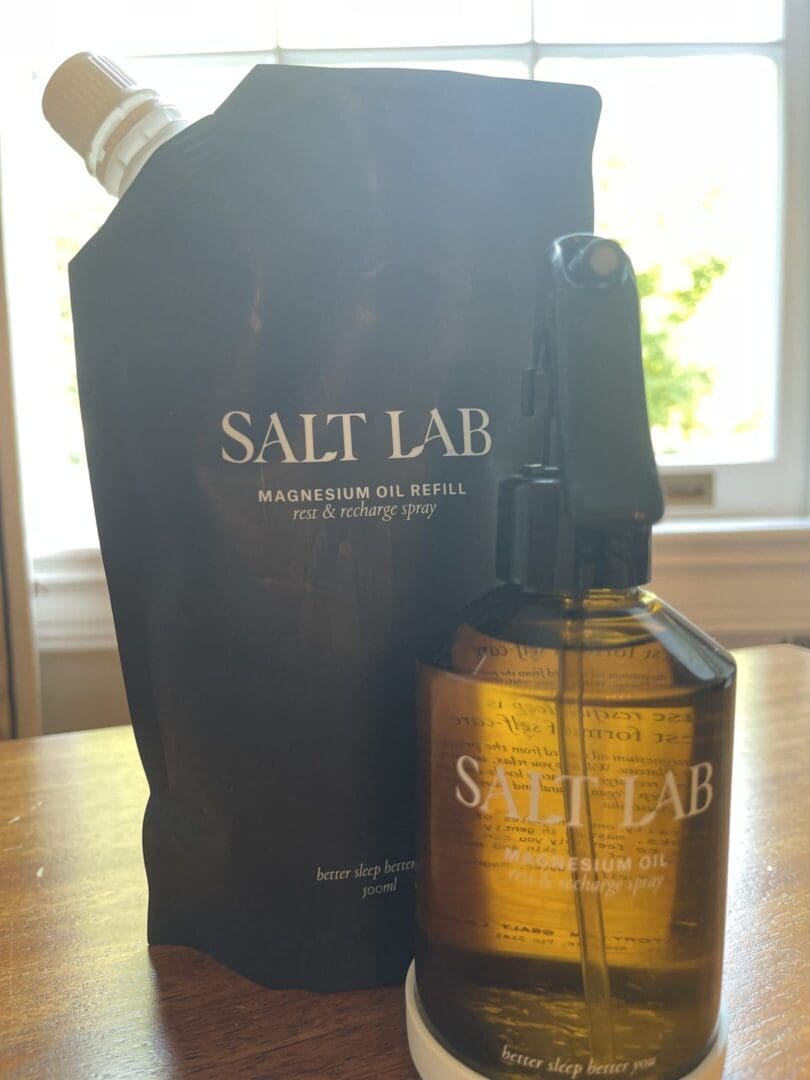
I tend to use magnesium in simple, flexible ways depending on what my body needs. Sometimes that looks like a topical magnesium oil before bed to ease tension or restlessness. Other times, it’s a warm Epsom salt bath when I want both physical relaxation and a mental wind-down. I also keep oral magnesium as an option, but I don’t treat it as an every-day requirement.
Because magnesium comes in many forms — and not all types support sleep or digestion in the same way — I’ve put together a full Midlife Guide to Magnesium that breaks down which forms are most helpful for sleep, stress, muscle recovery, and overall health, along with when (and when not) to use them.
If magnesium is something you’re curious about, that guide is a better place to explore the details.
Mineral Salt
Let’s be honest — most of us don’t need flashy electrolyte drinks with neon labels and mystery ingredients. What we often need, especially during periods of stress, sweating, or longer fasts, is simple, unprocessed mineral support.
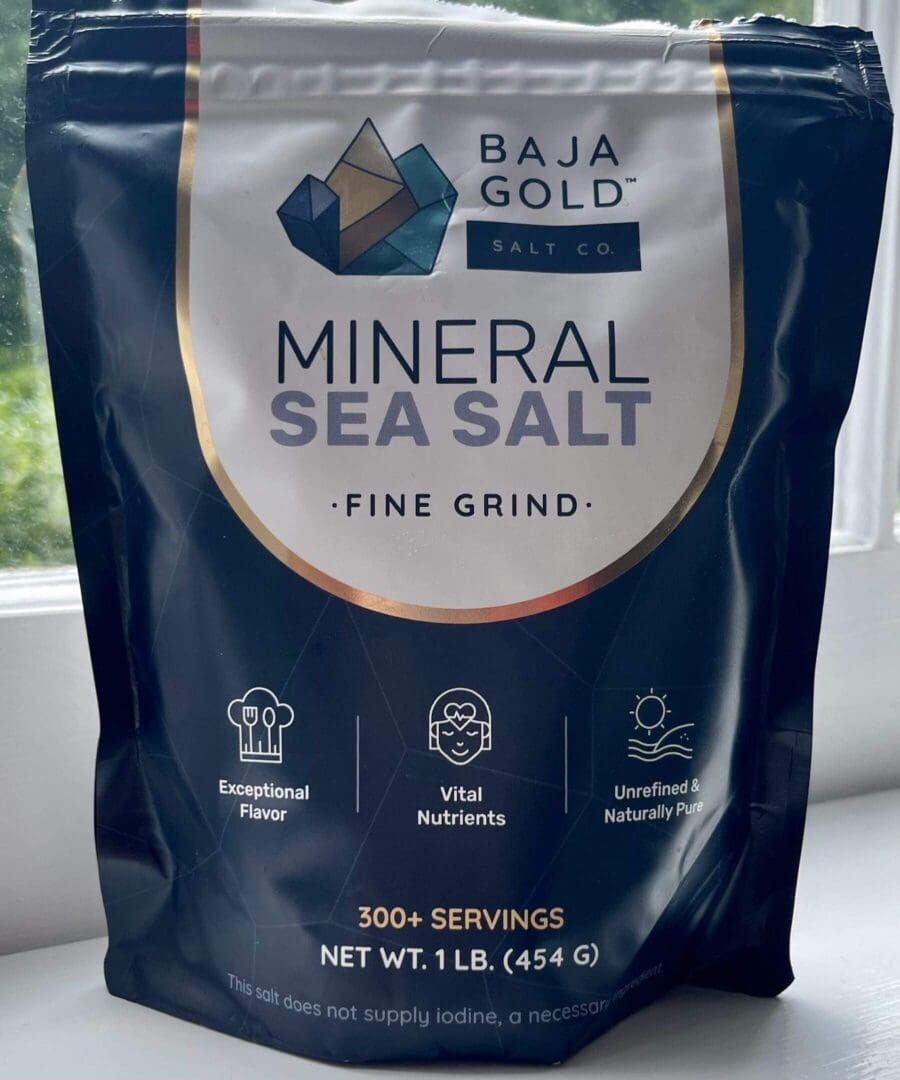
I use mineral sea salt occasionally, most often during longer water-only fasts or on days when my body clearly needs extra electrolytes (hello muscle cramps). During those times, sodium and trace minerals play an important role in hydration, nerve signaling, and energy — without the added sugars, chemicals, or “natural flavors” that tend to show up in commercial electrolyte products.
What I look for is a salt that’s unrefined and naturally rich in trace minerals, so it supports more than just sodium replacement. A small pinch in water is usually enough to help my body rebalance. I’ll also add it to food or broth when easing out of a fast or after a particularly sweaty day.
This isn’t something I use daily, and it’s not about pushing extremes. It’s simply one of those quiet, practical tools that can be helpful in specific situations — especially in midlife, when hydration and electrolyte balance can feel a bit more sensitive.
Like most things in My Midlife Mix, it’s less about doing more and more about responding to what your body is asking for.