
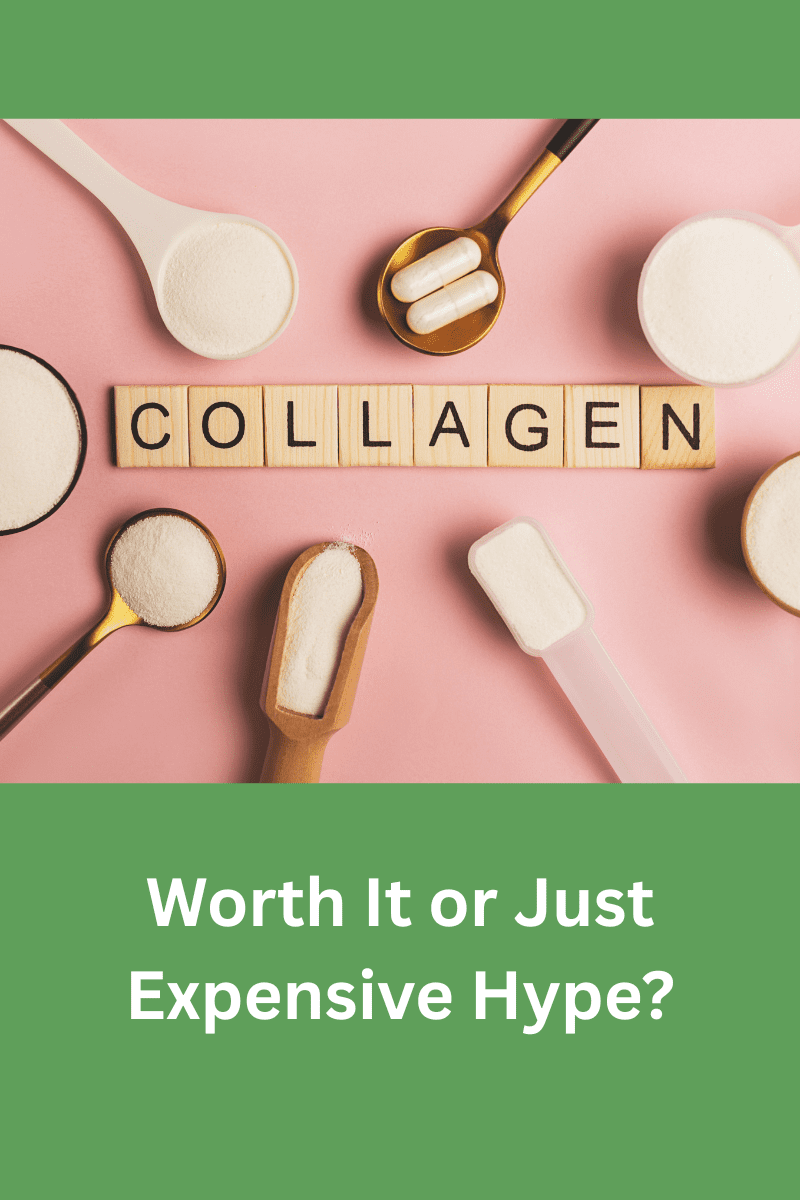
Is Collagen Worth It for Women in Midlife?
Collagen supplements are everywhere—but do they really work for midlife women?
Perimenopause, which can start in your 30s, puts your body on a hormonal roller coaster. Mood, weight, sleep, energy, focus—everything gets touched.
That’s usually when we start throwing everything but the kitchen sink at the problem. Enter social media: suddenly you’re following all the midlife wellness accounts (hi, I’m My_Midlife_Mix!) and getting bombarded with endless products and “miracle” supplements. It’s overwhelming and confusing.
I get it—I did the same thing. I grabbed every supplement, diet, and biohack I could find. But even after going down all those rabbit holes, I wasn’t finding lasting relief.
What I eventually discovered is that you don’t need a thousand supplements. You need to support your body in a more natural, foundational way. Our bodies are amazing—they can heal, adapt, and rebalance if we give them what they truly need: the right food, the right rest, and yes, sometimes the right supplements too.
Which brings me to one of the most hyped-up supplements in the wellness space: collagen. Spoiler: it’s not doing what you think.
Collagen: What You Need to Know
Collagen is the most abundant protein in your body. Think of it as the scaffolding that holds everything together—it gives structure to your skin, joints, bones, tendons, ligaments, and even your gut lining. It’s like the glue that keeps us from falling apart (in every sense, right?).
Your body naturally makes collagen by combining amino acids—the little building blocks it gets from the food you eat (especially protein-rich foods). Vitamin C, zinc, and copper are also key nutrients that help your body build and repair collagen.
Collagen In the Body:
- Found in skin, hair, nails, bones, joints, and connective tissue
- Gives skin elasticity and helps prevent wrinkles
- Supports strong joints and healthy movement
- Helps with wound healing and tissue repair
- Declines naturally with age—starting in your 30s (thanks, hormones)
What’s The Deal With Collagen Supplements?
Collagen supplements (powders, drinks, pills) are made from animal parts—usually bovine (cow), marine (fish), or chicken sources. These are broken down into collagen peptides, which your body can digest more easily.
But here’s the kicker: when you consume collagen, your body doesn’t just take it and ship it straight to your skin or joints like a delivery truck. Instead, it breaks it down into individual amino acids, just like any other protein.
Once broken down, your body decides where to use those amino acids—it might go toward skin repair… but it might also go to muscle repair, gut healing, or anything else your body needs more urgently.
So Does Collagen “Work”?
Kind of. But not in the magical, targeted way the marketing suggests.Yes, it can support your collagen production if:
You’re eating enough total protein
You have the right cofactors (like vitamin C)
Your digestion is working well enough to absorb it
You’re not under chronic stress (which breaks collagen down faster)
But collagen alone isn’t a miracle product—it’s just another protein source.
Bottom Line
Your body needs amino acids, not just collagen. And those amino acids can come from all kinds of sources—animal or plant-based protein. What matters most is getting a variety of high-quality proteins, paired with the right nutrients to support natural collagen production from the inside out.
Getting the Right Amino Acids from Food
Let’s talk about the real stars of the show: amino acids. These are the tiny compounds that make up all proteins—including collagen—and they’re absolutely essential for everything from muscle repair to skin regeneration (learn more about amino acids here).
Your body can make some amino acids on its own, but there are 9 essential ones it can’t make—those have to come from food.
Where Do You Get Amino Acids?
From protein-rich foods—and not just meat!
Here’s how it breaks down:
Animal-based sources (complete proteins):
- Chicken, turkey, beef
- Fish, eggs, dairy
- Bone broth
These contain all 9 essential amino acids in the right balance.
Plant-based sources (some complete, some incomplete):
- Quinoa, tofu, edamame (complete)
- Lentils, chickpeas, nuts, seeds, whole grains (incomplete but powerful when combined)
You can still meet your amino acid needs on a plant-based diet—just focus on variety and pairing (like beans and rice).
Why This Matters for Hair, Skin, Joints, and More
Your body doesn’t care about beauty first. It prioritizes survival—vital organs, immune repair, muscle recovery. So if you’re not eating enough quality protein, your body may never get around to supporting the “extras” like glowing skin or shiny hair.
But when you consistently nourish yourself with the right amino acids, your body starts to do what it’s built to do:
Skin: Produces more natural collagen and elastin, reducing wrinkles and improving firmness
Hair: Strengthens follicles and supports healthy growth
Nails: Less brittleness, faster growth
Joints & bones: Supports connective tissue and flexibility
Muscles: Repairs and maintains lean muscle mass (which declines in midlife)
The Key Is: Support Your Body First
When you give your body the right nutrients consistently—real food, not just powders—it starts working for you. That means:
- 20–30g of protein per meal (aim for all 9 essential amino acids daily)
- Plenty of colorful plants (for the vitamins and minerals that support protein synthesis)
- Hydration, rest, and stress management (because cortisol is a collagen killer)
Remember: Your body knows how to create strong skin, healthy joints, and vibrant hair. You just have to give it the right tools—starting with your plate, not your supplement shelf.
Real-Life Meal Plans to Support Collagen (Through Amino Acids)
So what does this look like in everyday life? To help you put these principles into action, I’ve created a few sample meal plans designed for different lifestyles. Whether you’re constantly on the go, working from home, retired, or navigating dietary needs like vegetarian or dairy-free eating—there’s a way to get the amino acids and protein your body needs without stress (or a suitcase full of supplements).
Here’s how it can look in a typical day:
On-the-Go (Office, Errands, or Travel)
Breakfast:
- Greek yogurt cup (plain, high-protein) or Skyr
- Handful of berries + tablespoon of chia or hemp seeds
- Optional: collagen coffee or protein shake if no time to eat
Lunch :
- Whole grain wrap with rotisserie chicken, hummus, spinach, shredded carrots
- Side of fruit or veggies with tahini or nut butter
Tip: Add a boiled egg or protein bar for extra satiety if needed.
Snack:
- Cottage cheese or boiled eggs + a few crackers or fruit
- Or: pre-made smoothie with protein powder + frozen fruit + almond milk
Dinner (quick but nourishing):
- Baked salmon or chicken breast
- Frozen rice or quinoa packet + sautéed greens or a salad
- Olive oil drizzle, squeeze of lemon, done in 15 minutes
At-Home Routine (More Prep Time)
Breakfast:
- Veggie scramble (2–3 eggs + spinach, mushrooms, onions)
- Side of avocado toast on whole grain bread or leftover sweet potatoes
Lunch:
- Big nourish bowl: quinoa + roasted veggies + lentils or grilled chicken + tahini or lemon vinaigrette
- Optional: a hard-boiled egg or scoop of hummus
Snack:
- Protein smoothie with collagen peptides, nut butter, berries, and flaxseed
- Or: Greek yogurt with walnuts + cinnamon
Dinner:
- Grilled steak or tofu stir-fry with broccoli, bell peppers, tamari
- Serve over brown rice or cauliflower rice
- Add kimchi or sauerkraut for gut support
3. Vegetarian / Dairy-Free / Special Diet-Friendly
Breakfast:
- Chia pudding (chia seeds + almond milk overnight)
- Topped with berries, almond butter, and a sprinkle of hemp seeds
Optional: Vegan protein powder blended into it
Lunch:
- Lentil salad with cucumbers, tomatoes, red onion, parsley + olive oil
- Side of quinoa or chickpea flatbread
- Add avocado for healthy fats
Snack:
- Edamame pods with sea salt
- Or: rice cake with almond butter and banana slices
Dinner:
- Tofu stir-fry or tempeh tacos with cabbage slaw and avocado
- Side of black beans and brown rice
- Sprinkle of nutritional yeast for extra B vitamins + umami
Tip: Combine varied plant proteins throughout the day to get all essential amino acids (e.g., grains + legumes, soy + seeds).
Bonus Tips Across the Board:
- Aim for 20–30g of protein per meal
- Don’t fear good fats—they help with hormone balance
- Batch cook proteins or grains to mix and match all week
Final Thoughts
Collagen — and supplements in general — should be just that: a way to supplement your whole-food diet if you’re struggling to meet your protein needs.
Always aim for real food first, and if you choose to add a supplement, make it the highest quality you can (do your research!). Just remember—your body decides where and how those nutrients are used. You can’t control whether it goes to your skin, your hair, or your joints.
Supplements may add value, but the real magic happens when we return to the fundamentals—good food, good rest, and steady support that carries us through midlife and beyond.
If this resonated with you and you want more real talk, simple strategies, and supportive tips for feeling better in midlife—I’d love for you to join my email list. You’ll get a heads up when a new blog drops, plus subscriber-only tip sheets to make the journey easier.
And don’t forget to check in on The Mix—I’ll be adding more protein-focused recipes this fall along with new book and podcast recommendations to keep you inspired and supported.
Let’s keep building the real foundation—collagen optional.
Linda @ My Midlife Mix