
Reduce Hormone-Disrupting Toxins With These Simple Swaps
Welcome back or welcome in if you’re jumping straight to the good stuff.
If you missed it, you can read Part 1 here to learn how everyday toxins from your plastic spatula to your anti-aging serum can overload your liver, disrupt your thyroid, and throw your hormones into chaos. We also talked about how midlife makes it harder for your body to keep up with that toxic load.
The short version?
Your body isn’t overreacting it’s responding to a toxic burden that’s gotten harder to process over time.
But here’s the good news: you don’t need to live in a bubble or spend your life savings replacing everything with “clean” products. With a few smart swaps and some label-reading savvy, you can start reducing hormone-disrupting toxins without losing your mind.
My Low-Tox Journey Started with Baby Laundry (Accidentally)
Here’s a twist I didn’t see coming: I started making low-tox choices years ago, but not for me.
When I had kids, I switched to Cal Ben Pure Soap Flakes for their laundry. No synthetic detergents, just pure soap, a splash of vinegar for softening, and maybe a few drops of essential oil (lavender or eucalyptus, of course). Their little onesies never smelled like a Meadow Breeze, and honestly? I liked it that way.
At the time, I thought I was just being a responsible mom protecting their delicate skin. But now I realize I was unknowingly protecting myself, too. My own skin, hormones, and health benefited from those same gentler routines.
Fast forward to today: I’m still using that simple laundry routine. And as I help my daughter get ready to move into her first apartment for a new job? You better believe her laundry care package is at the top of my list so she can carry those low-tox habits with her.
Where the Sneakiest Toxins Hide
Even if you’re eating clean and living healthy, toxins are sneakier than you’d think. They lurk in everyday places you might not expect. Common culprits include:
Plastics:
Food containers, water bottles, wrap, and even coffee cup lids can leach hormone disruptors, especially when heated.
Fragrance:
Fresh scent often means an unregulated chemical cocktail. If the label says fragrance or parfum, assume there are mystery ingredients hiding inside.
Flame Retardants:
Found in furniture, mattresses, and even kids’ pajamas. These chemicals mess with thyroid function and accumulate in household dust.
Pesticides:
From produce to lawn care products, pesticides can disrupt estrogen pathways and hormone balance.
Nonstick Cookware:
Teflon and similar coatings release fumes and can break down into endocrine-disrupting chemicals when overheated.
Canned Foods:
Many cans are lined with BPA, which can leach into your food. Even BPA-free alternatives aren’t always better. Manufacturers often swap in similar chemicals with questionable safety profiles.
Clothing:
Fast fashion and even activewear often contain chemicals like PFAS (known as “forever chemicals”), flame retardants, and synthetic dyes that can absorb into your skin, especially when you sweat.
What to Swap First (Without Getting Overwhelmed)
You don’t need to toss everything you own. Start with the areas that touch your body and food the most. Those deliver the biggest hormone-supporting impact.
1. Personal Care Products
Your skin is absorbent and even more so in midlife.
Swap: Look for fragrance-free, paraben-free, clearly labeled alternatives for lotions, deodorants, SPF, and makeup. ( I break this down in detail in my skincare blog – check it out here.)
2. Food Storage
Plastic containers especially old, stained, or heated can leach toxins into your food.
Swap: Switch to glass or stainless steel, especially for anything hot, oily, or acidic. If your glass containers have plastic lids, no problem. Just make sure the food doesn’t touch the lid.
3. Water
Even tap water can carry hormone-disrupting residues.
Swap: Install a simple under-sink or pitcher-style filter to reduce common contaminants. It doesn’t have to be fancy, just effective.
4. Laundry
If your clothes smell like meadow breeze, they’re off-gassing chemicals all day.
Swap: Use unscented detergent, soap flakes, vinegar as a rinse, and wool dryer balls. Ditch dryer sheets and liquid fabric softeners. Your hormones (and your nose) will thank you.
5. Clothing
No need to toss your whole wardrobe. But your skin is your largest organ, and what you wear matters.
Swap: Start small. Organic cotton underwear, socks, or workout clothes are a great first step. (Why organic? Conventional cotton is one of the most pesticide-heavy crops on the planet. Organic helps reduce your exposure.)
Simple Home Habits That Support Detox
Creating a lower-tox home doesn’t have to mean a remodel. These small, realistic shifts help your body reset daily:
Open windows daily: Indoor air can be more polluted than outside. Crack the windows for at least 10 minutes to let fresh air circulate.
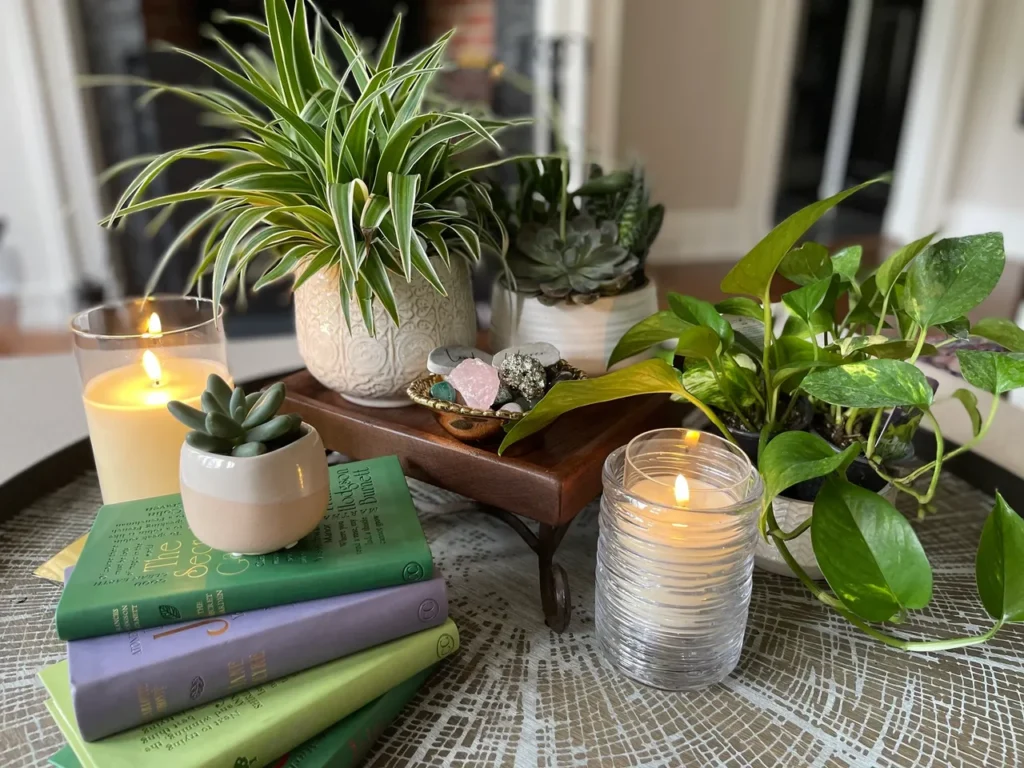
Add a houseplant (or three): Snake plants, spider plants, and peace lilies help purify indoor air and they’re nearly impossible to kill (even if you forget about them).
Bonus: Greenery indoors (or out) has also been shown to reduce stress and anxiety, improve mood, and create a greater sense of calm and comfort.
Shoes off at the door: Leave shoes at the door to keep pesticides, grime, and mystery street gunk from tracking into your home.
Don’t Forget: Wipe your pet’s paws, too! Our furry friends can bring in the same chemicals (plus who-knows-what from the yard or sidewalk). I love the Burt‘s Bees nontoxic pet wipes, available on Chewy.com or Amazon, for a quick, safe clean-up.
Try an air purifier in the bedroom: Better air means better sleep, and better sleep supports hormone balance.
Ditch synthetic candles and sprays: Skip the fake ocean breeze scents. Opt for beeswax candles or essential oil diffusers for a cleaner, cozier home. Not into flames? There are also some surprisingly realistic battery-operated candles that create the same cozy atmosphere without the toxins. (pictured below)
You Don‘t Need to Panic ,Just Start Somewhere
I’m not living in a toxin-free bubble (though, trust me, I’ve fantasized about one). But once I realized how much these invisible disruptors affect how I feel and how midlife amplifies all of that, doing nothing wasn’t an option anymore.
This isn’t about fear. It’s about informed choices.
Small, sustainable shifts that support your liver, your skin, your sleep and your sanity.
And if you’re curious (or ready for your own rabbit hole moment), here’s the podcast episode that started it all for me:
The Diary of a CEO with Dr. Yvonne Burkhart.
Let it be your wake-up call and your starting point.
You’ve got this. One clean swap at a time.
I’d Love to Hear From You and Share More With You!
What midlife topics are you most curious about? Hormones? Sleep? Stress? Skincare? Email me at connect@mymidlifemix.com or go to the Community page to ask your questions or share your comments. These help shape future blogs (and yes, I actually read them).
And if you haven’t signed up for the blog yet, now’s a great time!
Last week, subscribers got a recipe and healthy eating tips straight to their inbox.
This week, I’m sending out a simple guide to the non-toxic brands I’m currently trying and loving.
No spam. Just real-life tips to help make midlife feel a little lighter.
Sign up here and be part of the conversation.
Here’s to small swaps, steady progress, and feeling good in your skin at every age.
Cheering you on,
Linda @ My Midlife Mix