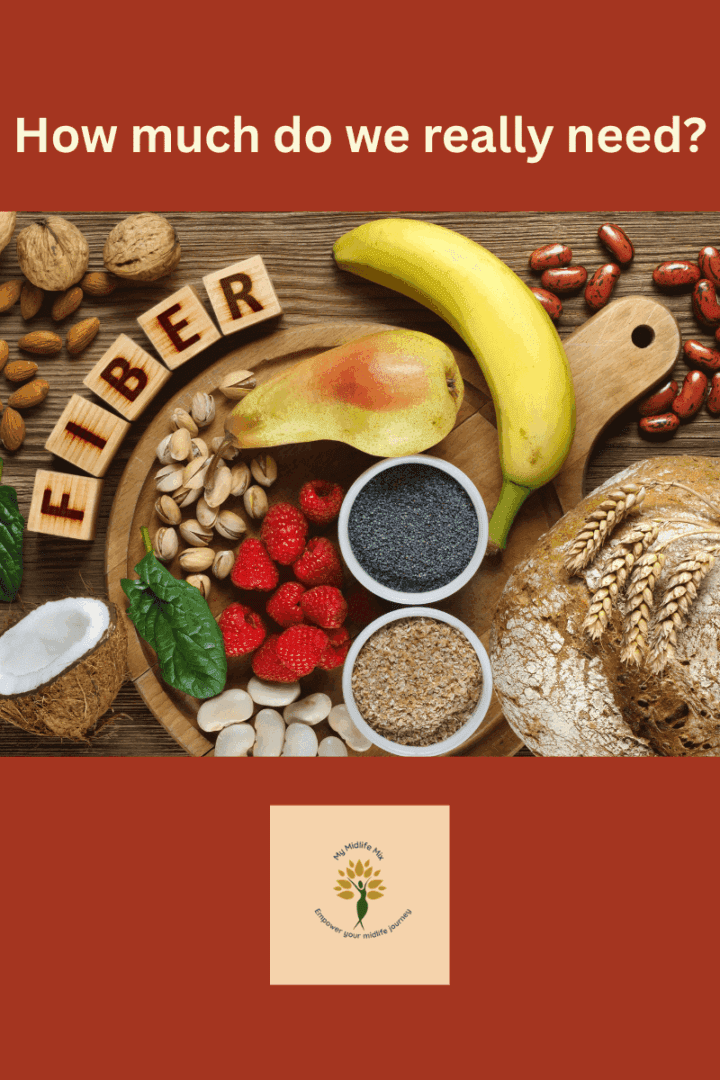
Why Fiber Matters and How to Get Enough Every Day
We talk a lot about protein, supplements, and hormones in midlife—but there’s another quiet hero that deserves more credit: fiber. It’s one of the simplest ways to support digestion, balance hormones, manage weight, and even boost energy.
Let’s be honest—fiber doesn’t sound exciting. But when you see what it does behind the scenes, you’ll realize it’s one of the most powerful small shifts you can make for midlife health.
🌾 What Exactly Is Fiber?
Fiber is the part of plant foods our bodies can’t digest—and that’s exactly what makes it powerful. Instead of breaking down into sugar for energy, fiber moves through your system mostly intact, sweeping things along, feeding your gut bacteria, and helping your body find balance.
Research shows fiber can:
Support healthy digestion and regularity
Help regulate blood sugar levels
Increase satiety to support weight management
Lower cholesterol and support heart health
Reduce the risk of diabetes and certain cancers
And here’s a fun fact: emerging research suggests fiber may even help capture microplastics (those sneaky environmental particles) and escort them safely out through digestion. Yet another reason to make fiber a daily priority in midlife.
🦠 Fiber + Your Gut Health
Your gut isn’t just about digestion—it influences mood, immunity, hormones, and even brain clarity. Fiber acts like fuel for the good bacteria living there, helping them thrive and crowd out the not-so-good ones.
When you’re low on fiber, those microbes may actually start feeding on your gut lining (yikes). Keeping them well-fed with a variety of plant foods reduces inflammation and supports better digestion, immunity, and mood.
In midlife, that balance matters more than ever. Hormone changes, stress, and slower metabolism can throw your system off-kilter. Think of fiber as your gut’s insurance policy—keeping everything running smoothly and resiliently. (Read more on gut health here.)
🧬 Why Variety Matters
When it comes to fiber, it’s not just how much you eat—it’s how many different kinds you get. Research from the American Gut Project and experts like Dr. Tim Spector show that eating around 30 different plant foods a week (yes, herbs, spices, coffee, and nuts count!) is linked to a more diverse, resilient microbiome.
This variety helps:
Improve digestion and nutrient absorption
Reduce inflammation
Support a healthy immune system
Keep your mood and energy more stable
🥣 The Two Kinds of Fiber You Need
Not all fiber acts the same way—but you want both working for you.
Soluble Fiber – The Slow-Down Helper
Soluble fiber dissolves in water, forming a gel-like substance that slows digestion. It helps stabilize blood sugar, lower LDL cholesterol, and keep you fuller longer—big wins for midlife metabolism and heart health.
Found in: beans, lentils, apples, citrus fruits, chia, and flaxseeds.
Insoluble Fiber – The Gut Mover
Insoluble fiber adds bulk and helps food move through your system efficiently. It prevents constipation, supports detoxification, and protects the gut lining.
Found in: whole grains, nuts, seeds, carrots, leafy greens, and broccoli.
Together, they form a one-two punch for digestion, hormone balance, and inflammation control.
⚖️ When Fiber Might Not Be Your Friend
Fiber is amazing—but too much too fast can backfire.
If you have IBS or a sensitive gut, certain fibers may trigger bloating or gas. Start slowly and notice how your body responds. Even if you don’t have gut issues, suddenly jumping from 10 grams to 30 grams a day can be uncomfortable.
Remember, fiber isn’t a contest. You don’t get extra credit for stuffing in the most grams possible. Focus on quality, variety, and consistency over numbers.
📏 How Much Fiber Do You Really Need?
Most guidelines recommend women aim for at least 25–30 grams a day—but many of us fall short. When I started focusing on both protein and fiber, I noticed a real difference: better digestion, steadier energy, and even a 20-pound weight loss that had stubbornly stalled before (my personal goal is 35-40 grams/day).
The sweet spot is different for everyone, but paying attention to fiber can be one of the easiest levers for improving midlife health.
🥗 How to Add Fiber (Without Overhauling Your Life)
Start Small and Build Gradually
If your current intake is low, increase slowly to give your gut bacteria time to adjust.
Mix It Up
Get fiber from fruits, vegetables, legumes, whole grains, nuts, and seeds. Variety feeds a wider range of good bacteria.
When Food Isn’t Enough
On busy days, you can add a supplement. I use Fibermend by Thorne when I know I won’t hit my goal—it blends easily into yogurt or chia pudding without changing the flavor. Supplements should support, not replace, a food-first approach.
🍎 A Real-Life Fiber Day
Here’s what hitting around 35 grams might look like in real life:
- Breakfast (10 g): Overnight oats with chia, flax, and blueberries
- Lunch (12 g): Lentil salad with spinach, tomato, cucumber, and quinoa
- Snack (5 g): Apple slices with almonds
- Dinner (8 g): Grilled salmon with roasted broccoli and chickpea salad
See? No drastic changes—just smart swaps.
And if you want to level up your gut diversity, aim for 30 different plant foods across the week. It’s easier than it sounds when you count herbs, spices, and even coffee.
🌾 Fiber 30 Challenge
Use this list to add more fiber variety throughout your week — aim for 30 different plants to keep your gut (and mood) happy!
🍎 Fruits: apples, pears, blackberries, blueberries, strawberries, raspberries, avocado
🥗 Legumes & Grains: chickpeas, lentils, black beans, white beans, quinoa, split peas, popcorn
🥦 Veggies: broccoli, spinach, cauliflower, edamame, brussels sprouts, sweet potato, artichoke
🌰 Nuts & Seeds: chia seeds, flax seeds, almonds, cashews, pumpkin seeds, sunflower seeds, coconut
🌿 Herbs & Extras: parsley, oregano, cinnamon, basil, garlic, onion, fennel, coffee, green tea, ginger
✅ Small swaps add up — mix and match these foods to reach your “Fiber 30” each week!
🧑🍳 Bringing Fiber to Life in Your Kitchen
Knowing what we should do is one thing — actually putting fiber on our plates is where the real shift happens. Small, consistent choices add up, especially in midlife, when digestion, blood sugar balance, and overall resilience matter more than ever.
To make that easier (and more enjoyable), I’ll continue sharing fiber-forward, nourishing recipes designed to support your body from the inside out. These ideas are meant to be simple, flexible, and realistic — no perfection required.
You’ll always find these recipes gathered under the Inside & Out tab on The Mix page, so you have an easy place to return to whenever you’re looking for inspiration.
If you’d like to better understand why fiber and the foods we eat play such an important role in midlife wellness, you may also enjoy reading Midlife Gut Check: Emotions, Eating Habits, and the Gut’s “Memory.”
Because supporting your health doesn’t have to be complicated. With a few thoughtful shifts, everyday food can become one of the most powerful — and sustainable — tools for feeling better in midlife.